Tree Canopy Thinning in Allentown, PA
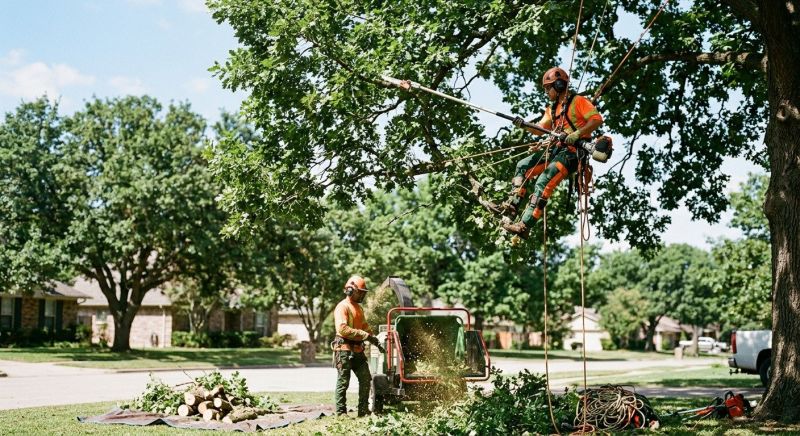
Tree canopy thinning services involve carefully reducing the density of tree branches and foliage to improve light penetration, airflow, and overall health of the trees. This process is often requested for projects such as managing overgrown or densely packed trees, reducing the risk of storm damage, or enhancing visibility and access around a property. Homeowners considering this service typically want to understand how thinning can promote healthier growth, prevent potential hazards, and improve the appearance of their landscape.
Before requesting tree canopy thinning, property owners usually seek clarity on the scope of the work, including which trees are suitable for thinning and the extent of branch removal. It’s important to consider the timing of the service, the impact on tree health, and any local regulations or guidelines that may apply. Proper planning ensures that the thinning process supports the long-term vitality of the trees while addressing specific concerns related to safety, aesthetics, or property access.
Many property owners in Allentown, PA look into Tree Canopy Thinning for repairs, replacements, upgrades, and appearance-related improvements.
Benefits Of Tree Canopy Thinning
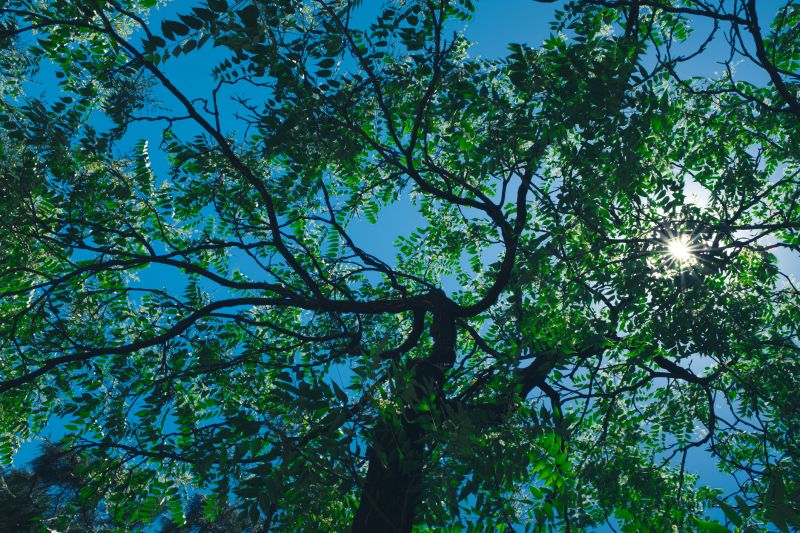
Thinning can improve sunlight exposure and reduce wind resistance for healthier trees.
Common Reasons For Thinning
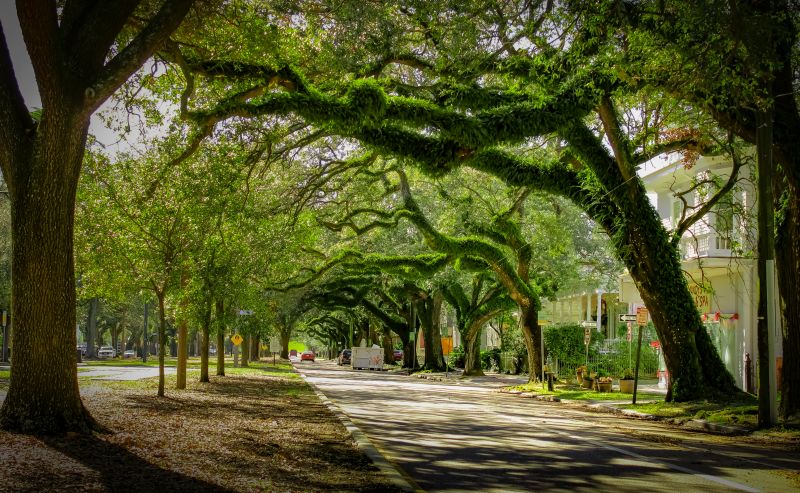
Property owners often request thinning to prevent branch overgrowth and maintain safety around homes.
What To Expect During Thinning
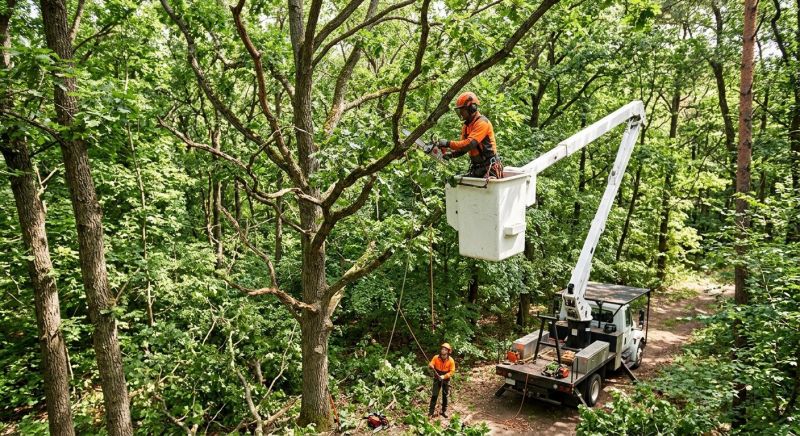
The process involves selectively removing branches to promote better tree structure and overall health.
Tree Canopy Thinning in Allentown, PA
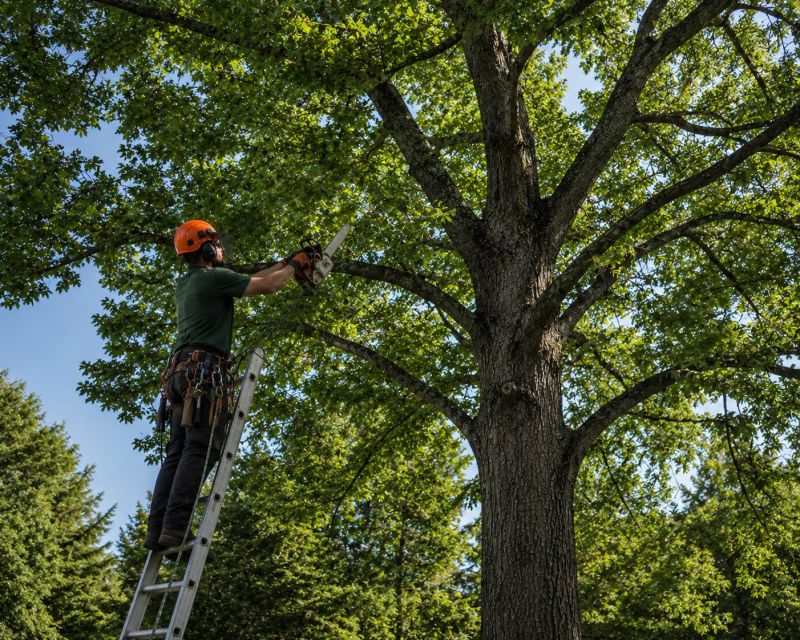
Tree canopy thinning services involve carefully reducing the density of tree branches and foliage to improve light penetration, airflow, and overall health of the trees. This process is often requested for projects such as managing overgrown or densely packed trees, reducing the risk of storm damage, or enhancing visibility and access around a property. Homeowners considering this service typically want to understand how thinning can promote healthier growth, prevent potential hazards, and improve the appearance of their landscape.
Before requesting tree canopy thinning, property owners usually seek clarity on the scope of the work, including which trees are suitable for thinning and the extent of branch removal. It’s important to consider the timing of the service, the impact on tree health, and any local regulations or guidelines that may apply. Proper planning ensures that the thinning process supports the long-term vitality of the trees while addressing specific concerns related to safety, aesthetics, or property access.
Many property owners in Allentown, PA look into Tree Canopy Thinning for repairs, replacements, upgrades, and appearance-related improvements.
Common Tree Canopy Thinning Jobs
Tree Canopy Thinning - Reduces excess foliage to improve tree health and structure.
Branch Pruning - Removes overgrown or damaged branches to promote better growth.
Selective Thinning - Carefully reduces canopy density for improved sunlight penetration.
Structural Pruning - Shapes trees to prevent hazards and maintain aesthetic appeal.
Deadwood Removal - Eliminates dead or diseased branches to support overall vitality.
Canopy Maintenance - Maintains balanced growth and enhances property safety.

Tree Canopy Thinning Questions
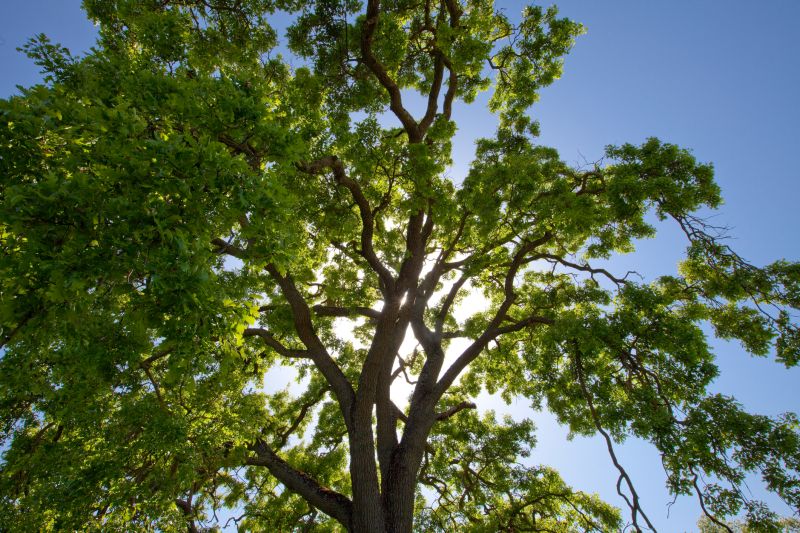
What is tree canopy thinning? Tree canopy thinning involves selectively removing branches to reduce the density of a tree's foliage, improving light and airflow.
Why might property owners request canopy thinning? It helps reduce overgrowth, improve tree health, and prevent potential damage from heavy branches during storms.
Does canopy thinning affect tree health? When done properly, it can promote healthier growth and reduce the risk of branch breakage.
Is canopy thinning suitable for all types of trees? It is most effective on mature, established trees and may not be appropriate for all species or ages.
Request Tree Canopy Thinning in Allentown, PA
Use the quote form on this page to share the basics of your project and request more information for the type of work you need.